
Africa Trip Planner: Timeline and Packing List
What to do and when, from the first booking to the final bag check.
Get a Free Africa Trip QuoteYour Africa Trip Planner: A Timeline
This Africa trip planner turns a big trip into a series of small, well-timed steps. Timing matters because the best safari camps and gorilla permits sell out, some vaccines need weeks to take effect, and visas have their own processing windows. Work down the list and nothing important will be left to the last minute.
| When | What to do |
|---|---|
| 12 to 9 months out | Choose region, season and style. Book peak-season safari camps and gorilla permits. Ask a specialist for a quote. |
| 9 to 6 months out | Book international flights. Check your passport: it should be valid well beyond your return date and have blank visa pages. |
| 6 to 3 months out | Read the CDC page and State Department advisory for each country. Book a travel-health appointment. Buy travel insurance, including medical evacuation cover. |
| 3 months to 4 weeks out | Apply for visas and electronic travel authorizations in the window each country allows. Start any vaccine series that needs it. |
| 4 to 2 weeks out | Fill malaria prescriptions. Enroll in STEP. Confirm transfers and light-aircraft luggage limits. Tell your bank you are traveling. |
| Final week | Print visas and yellow fever card. Download offline maps. Pack, then weigh your bag. |
Africa Packing List
- Soft duffel bag sized for light-aircraft limits.
- Neutral-colored clothing (khaki, olive, tan); avoid camouflage, which some African countries prohibit for civilians.
- Warm layers: early-morning game drives can be cold in winter months.
- Wide-brimmed hat, sunglasses, high-SPF sunscreen and insect repellent.
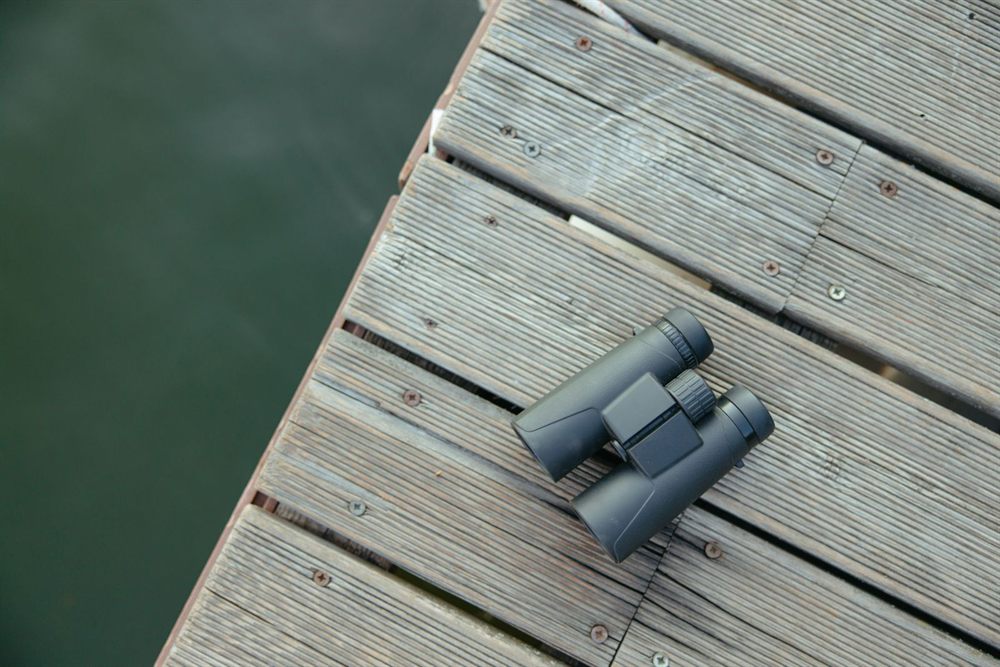
- Binoculars, one pair per person if possible.
- Camera with spare batteries and memory cards; a dust-proof bag.
- Plug adapters: East Africa often uses the three-pin UK-style plug, while South Africa uses its own large round-pin plug.
- Copies of passport, visas, insurance and yellow fever certificate.
- Prescription medicines in original containers, plus a small first-aid kit.
Leave plastic shopping bags at home: Kenya, Tanzania and Rwanda ban single-use plastic carrier bags, and travelers have been asked to give them up on arrival. For carry-on rules on your flights, check TSA’s What Can I Bring list.
Using This Africa Trip Planner With a Specialist
A specialist handles the parts that are hardest to do alone: matching camps to the season, fitting light-aircraft schedules together, booking park fees and permits and building in rest days. You stay in charge of the decisions. Read the visa page and the health page next, then ask for a free quote. Choosing where to safari? African Safari Experiences compares Kenya, Tanzania, Botswana, South Africa, Rwanda and Namibia.
Frequently Asked Questions
What is a good first itinerary for Africa?
A common first trip is about two weeks: a few nights in a gateway city, five to seven nights on safari split between two areas, and an add-on such as Victoria Falls, Cape Town or Zanzibar. Where to safari is covered on African Safari Experiences.
What bags should I take on safari?
A soft-sided duffel. Light aircraft that fly between safari camps have small holds and strict weight limits, and hard suitcases often cannot be loaded. Ask your camp or operator for the exact limit.
Hand Off the Hard Parts
Give us your dates and wish list. A specialist will build the itinerary and quote it free.
Get a Free Africa Quote